
Home Blog

Barbie Packaging: A Journey Through Time and Innovation

0
barbie packaging

Barbie has been a beloved icon for generations, and her packaging plays a crucial role in her enduring appeal. Let’s dive into the fascinating world of Barbie packaging, exploring its evolution, key elements, and future trends.

The Significance of Packaging in Toy Marketing

Packaging is more than just a protective cover; it’s a powerful marketing tool. For Barbie, packaging helps convey the brand’s image, attract consumers, and even enhance the doll’s collectibility. The right packaging can turn a toy into a coveted item.

Evolution of Barbie Packaging Over the Decades

Barbie’s packaging has undergone significant changes since her debut in 1959. Each decade brought new styles, materials, and technologies that reflected broader societal trends and innovations in the toy industry.

The Early Years of Barbie Packaging

1950s: The Dawn of Barbie

When Barbie first appeared on store shelves, her packaging was simple yet elegant. The early boxes featured a classic design with minimal graphics, focusing on the doll herself. This simplicity allowed Barbie to stand out as a sophisticated fashion doll.

1960s: The Swinging Sixties Packaging Style

The 1960s saw a shift towards more vibrant and playful packaging. Bold colors and fun graphics became the norm, reflecting the cultural shifts of the era. Barbie’s boxes started to tell a story, showcasing her in various fashionable scenarios.

Barbie Packaging in the 1970s

Embracing Bold Colors and Designs

The 1970s were all about boldness and experimentation. Barbie’s packaging during this time was no exception. Bright colors, psychedelic patterns, and eye-catching designs made Barbie an appealing choice for young girls.

Introduction of Window Boxes

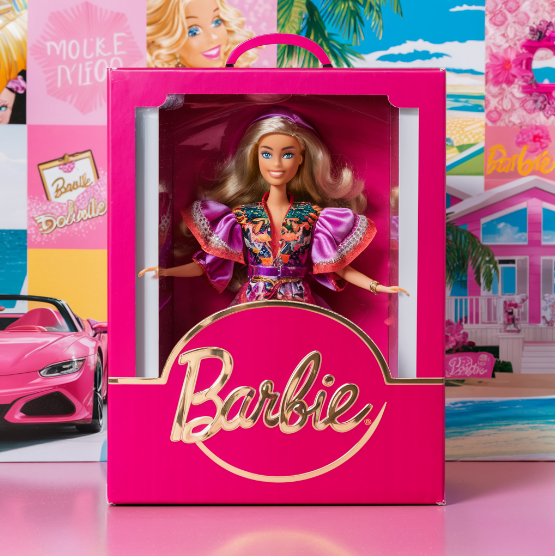
A significant innovation in the 1970s was the introduction of window boxes. These allowed consumers to see the doll without opening the package, enhancing the unboxing experience and making the dolls more enticing.

The 1980s: The Golden Era of Barbie

Glamour and Glitz in Packaging

The 1980s were a time of glamour and excess, and Barbie’s packaging mirrored this trend. Glitter, metallic finishes, and elaborate designs became standard, making each Barbie doll a glamorous collectible.

Collectibility Factor in Packaging

During this decade, the concept of Barbie as a collectible item took off. Limited edition packaging and special releases became common, adding a new layer of excitement for Barbie fans.

1990s: Modernization and Innovation

Shift Towards Eco-Friendly Materials

The 1990s brought a growing awareness of environmental issues, and Barbie’s packaging started to reflect this shift. Mattel began experimenting with recycled materials and reducing plastic waste.

Impact of Technological Advancements on Packaging

Technological advancements also played a role in the evolution of Barbie packaging. Improved printing techniques and materials allowed for more intricate and durable designs.

2000s: The Digital Influence

Integration of Digital Elements

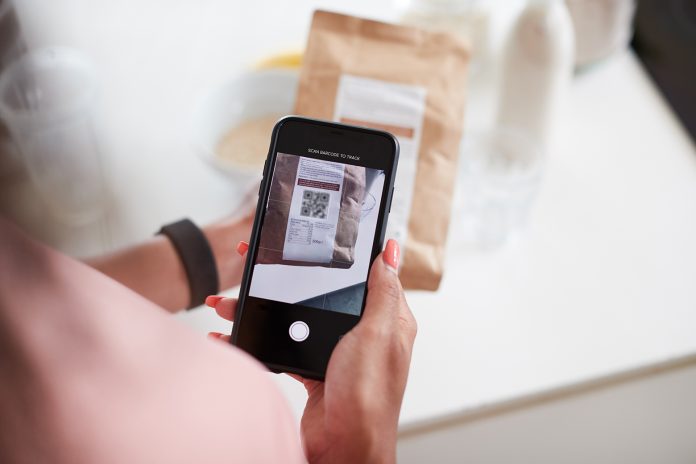
With the rise of the internet and digital media, Barbie packaging began to incorporate QR codes, online links, and interactive elements. These features connected the physical product with digital content, enhancing the overall experience.

Customization and Personalization Trends

The 2000s also saw a trend towards customization and personalization. Consumers could now create custom Barbie dolls and packaging, making each purchase unique and special.

2010s: Sustainability and Minimalism

Eco-Conscious Packaging Initiatives

In the 2010s, sustainability became a major focus. Mattel launched several eco-conscious initiatives, aiming to reduce the environmental impact of Barbie packaging. This included using biodegradable materials and designing packages that required less plastic.

Minimalist Aesthetic Trends

A minimalist aesthetic also gained popularity. Clean lines, simple designs, and subtle branding became the new norm, appealing to modern sensibilities.

2020s: The Future of Barbie Packaging

Smart Packaging Technologies

As we move further into the 2020s, smart packaging technologies are becoming more prevalent. These include NFC tags, which allow consumers to interact with the packaging using their smartphones.

Augmented Reality Features in Packaging

Augmented reality (AR) is another exciting trend. By scanning the packaging with a mobile device, consumers can unlock interactive experiences, games, and exclusive content related to Barbie.

Key Elements of Successful Barbie Packaging

Visual Appeal and Branding

Visual appeal is crucial for Barbie packaging. Eye-catching colors, attractive graphics, and consistent branding help Barbie stand out on store shelves and in online listings.

Functionality and User Experience

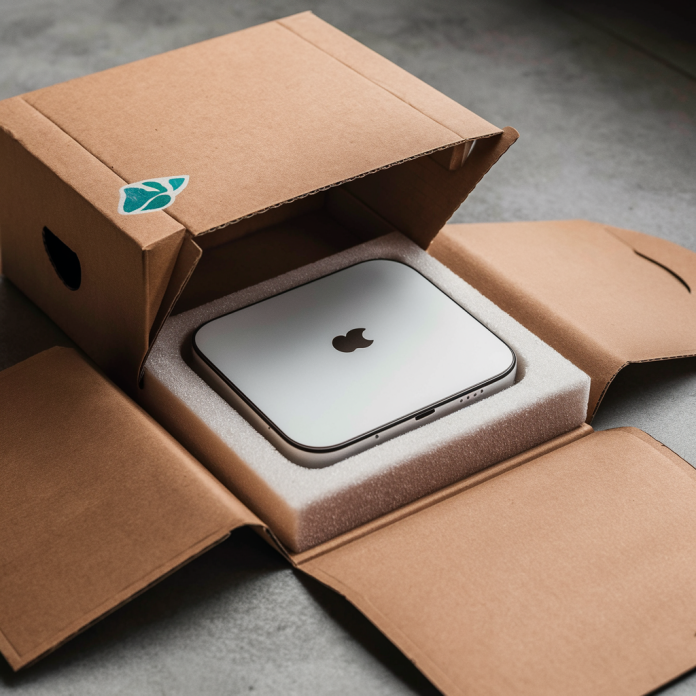
Packaging must also be functional. Easy-to-open designs, secure fittings, and protective materials ensure that the doll remains in pristine condition. Additionally, packaging that enhances the unboxing experience can create a lasting impression.

The Role of Packaging in Collectibility

Limited Editions and Special Releases

Packaging plays a significant role in the collectibility of Barbie dolls. Limited edition releases with unique packaging can become highly sought after, adding value for collectors.

Packaging as a Value Addition for Collectors

For collectors, the condition of the packaging is almost as important as the doll itself. Pristine, unopened boxes can significantly increase the value of a Barbie doll, making the packaging a critical component of the collectible market.

Consumer Behavior and Packaging Influence

Psychological Impact of Packaging on Buying Decisions

Packaging can influence consumer behavior in powerful ways. Attractive packaging can create an emotional connection, encouraging impulse purchases and brand loyalty.

Case Studies of Successful Barbie Packaging Campaigns

Several Barbie packaging campaigns have stood out over the years. For instance, the “Totally Hair Barbie” from the 1990s featured a unique box design that highlighted the doll’s extraordinary hair length, making it one of the best-selling Barbie dolls of all time.

Barbie Packaging and Cultural Representation

Reflecting Diversity and Inclusion

Modern Barbie packaging reflects Mattel’s commitment to diversity and inclusion. Dolls of various ethnicities, body types, and abilities are prominently featured, showcasing a more inclusive and representative product line.

Packaging as a Cultural Storyteller

Barbie packaging often tells a cultural story. From career-themed dolls to those representing different historical periods, the packaging helps communicate Barbie’s diverse roles and the brand’s evolving values.

Challenges and Innovations in Barbie Packaging

Overcoming Environmental Concerns

One of the biggest challenges in toy packaging is environmental sustainability. Mattel is continually innovating to create more eco-friendly packaging solutions, balancing the need for durability with environmental impact.

Innovative Packaging Solutions

Innovations like biodegradable plastics, reusable packaging, and minimalist designs are paving the way for a more sustainable future for Barbie packaging.

Collaborations and Special Editions

Iconic Collaborations in Barbie History

Barbie has had numerous collaborations with fashion designers, celebrities, and brands. These special edition dolls often come in unique packaging that reflects the collaboration, making them highly desirable for collectors.

Special Edition Packaging Highlights

Some of the most notable special edition packaging includes the “Barbie Loves MAC” collection and the “Barbie x Moschino” dolls. These packages are not only visually stunning but also embody the spirit of the collaboration.

Conclusion

Barbie packaging has come a long way since the doll’s debut in 1959. It has evolved to reflect changing cultural trends, technological advancements, and environmental concerns. As we look to the future, the possibilities for Barbie packaging are endless, promising even more innovation and creativity.

FAQs

How has Barbie packaging evolved over the years?

Barbie packaging has evolved from simple, elegant designs in the 1950s to bold, vibrant styles in the 1970s and 1980s. In recent years, there has been a shift towards eco-friendly materials and smart packaging technologies.

What materials are commonly used in Barbie packaging?

Barbie packaging typically uses a combination of plastic, cardboard, and paper. Recently, there has been a push towards using recycled and biodegradable materials to reduce environmental impact.

How does Barbie packaging impact its collectibility?

The condition and design of Barbie packaging significantly impact its collectibility. Limited edition releases and unique packaging can increase the value of a Barbie doll, making it more desirable for collectors.

What are some notable special edition Barbie packages?

Notable special edition Barbie packages include the “Barbie Loves MAC” collection, the “Barbie x Moschino” dolls, and the “Totally Hair Barbie” from the 1990s, known for its distinctive packaging.

How is Barbie packaging becoming more sustainable?

Barbie packaging is becoming more sustainable through the use of recycled materials, biodegradable plastics, and minimalist designs that reduce waste. Mattel is also exploring innovative packaging solutions to further minimize environmental impact.
Types of Packaging Materials: Comprehensive Guide

0

Introduction

Packaging is a critical element in modern commerce, affecting everything from product protection to marketing strategies. The choice of packaging material can influence the shelf life of a product, its safety during transportation, and its appeal on the store shelf. With the increasing emphasis on sustainability and environmental impact, understanding the various types of packaging materials and their properties is more important than ever.

Types and Categories

Paper and Cardboard

Paper and cardboard are among the most commonly used packaging materials due to their versatility and recyclability.

Kraft Paper

Kraft paper is known for its strength and durability. It is commonly used for making bags, wrapping paper, and envelopes.

Corrugated Cardboard

Corrugated cardboard is widely used for shipping and storage. Its structure provides excellent protection against impact and compression.

Paperboard

Paperboard is a lightweight, yet strong material often used for packaging food, cosmetics, and pharmaceuticals. It is easily printable, making it ideal for branding purposes.

Polyethylene (PE)

PE is one of the most widely used plastics, known for its flexibility and resistance to moisture. It is used in products like plastic bags and bottles.

Polypropylene (PP)

PP is durable and resistant to various chemicals. It is commonly used in food packaging, automotive components, and textiles.

Polyethylene Terephthalate (PET)

PET is a popular choice for beverage bottles and food containers due to its strength and transparency.

Polyvinyl Chloride (PVC)

PVC is versatile and used in a variety of packaging applications, including blister packs and shrink wrap.

Polystyrene (PS)

PS is used for disposable cups, plates, and food containers. It is lightweight and offers good insulation properties.

Aluminum

Aluminum is lightweight, corrosion-resistant, and highly recyclable. It is used in beverage cans, foil, and aerosol containers.

Biodegradable Materials

Biodegradable materials are gaining popularity due to environmental concerns.

PLA (Polylactic Acid)

PLA is a compostable bioplastic derived from renewable resources like corn starch.

PHA (Polyhydroxyalkanoates)

PHA is another biodegradable plastic made by microbial fermentation of sugars and lipids.

Starch-Based Materials

These materials are derived from natural starches and are used in various eco-friendly packaging applications.

Textiles

Textile materials are used in packaging for their strength and flexibility.

Cotton

Cotton is used for making bags and wraps, particularly in the fashion and retail industries.

Applications

Food and Beverage

Packaging in the food and beverage industry needs to ensure freshness, safety, and convenience. Materials like PET, glass, and aluminum are commonly used.

Pharmaceuticals

Pharmaceutical packaging must protect products from contamination and ensure tamper evidence. Materials like glass, PP, and aluminum are often used.

Cosmetics

Cosmetic packaging emphasizes aesthetics and protection. Materials such as glass, PET, and paperboard are frequently used.

Electronics

Electronics packaging must prevent static electricity and provide cushioning. Materials like corrugated cardboard and antistatic plastics are used.

Automotive

Automotive packaging requires durability and protection from environmental factors. Materials like steel, PP, and corrugated cardboard are commonly used.

Household Products

Packaging for household products varies widely but often includes plastics, paperboard, and glass.

Benefits

Protection

Packaging protects products from damage during transportation and storage. Materials like corrugated cardboard and bubble wrap offer excellent protection against impacts.

Preservation

Packaging extends the shelf life of products by preventing contamination and spoilage. Vacuum-sealed plastics and glass jars are effective for food preservation.

Convenience

Good packaging design offers convenience to consumers, from easy-to-open containers to resealable bags. Plastics and paperboard are often used for their ease of handling.

Branding and Marketing

Packaging is a key element in branding, providing a platform for logos, colors, and information. Materials like paperboard and PET are easily printable and used for eye-catching designs.

Sustainability

Sustainable packaging materials, such as biodegradable plastics and recycled paper, help reduce the environmental impact.

Challenges and Limitations

Environmental Impact

Many traditional packaging materials, particularly plastics, have significant environmental impacts. Finding sustainable alternatives is a major challenge.

Cost

Some materials, especially sustainable and high-performance options, can be costly. Balancing cost and functionality is a key concern.

Regulatory Requirements

Packaging must comply with various regulations, which can vary by industry and region. Meeting these requirements can be complex and costly.

Technological Limitations

While there are many advanced packaging materials available, some lack the necessary properties for specific applications, limiting their use.

Latest Innovations

Smart Packaging

Smart packaging includes features like QR codes, RFID tags, and temperature sensors to enhance the consumer experience and improve product tracking.

Active Packaging

Active packaging interacts with the product to extend shelf life or enhance safety. Examples include oxygen absorbers and antimicrobial coatings.

Edible Packaging

Edible packaging is an innovative solution that eliminates waste by allowing the packaging to be consumed along with the product. Materials like rice paper and seaweed are used.

Reusable Packaging

Reusable packaging designs, such as glass bottles and metal containers, promote sustainability by reducing single-use waste.

Future Prospects

Sustainable Packaging Trends

The future of packaging lies in sustainability, with trends like biodegradable materials, compostable packaging, and reduced plastic use gaining traction.

Technological Advancements

Advances in materials science and technology will continue to improve packaging performance and sustainability. Innovations like nanotechnology and smart materials hold promise.

Consumer Preferences

Consumers are increasingly prioritizing sustainability and convenience in packaging. Brands that align with these preferences are likely to succeed.

Regulatory Changes

Regulations around packaging, particularly regarding environmental impact, are expected to become more stringent. Staying ahead of these changes is crucial for businesses.

Comparative Analysis

Plastic vs. Glass

Plastic is lightweight and flexible but has a significant environmental impact. Glass is sustainable and offers excellent product protection but is heavier and more fragile.

Metal vs. Paper

Metal packaging is durable and recyclable but can be expensive. Paper is cost-effective and sustainable but lacks the durability of metal.

Biodegradable vs. Traditional Materials

Biodegradable materials offer environmental benefits but can be more costly and less durable than traditional materials.

User Guides or Tutorials

How to Choose the Right Packaging Material

Choosing the right packaging material involves considering factors like product type, transportation requirements, and sustainability goals. Assessing the material’s properties and costs is crucial.

Sustainable Packaging Practices

Adopting sustainable packaging practices involves using recyclable and biodegradable materials, reducing packaging waste, and optimizing design to minimize material use.

Packaging Design Tips

Effective packaging design should consider functionality, aesthetics, and sustainability. Using eco-friendly materials and creating user-friendly designs can enhance the consumer experience.

Conclusion

Packaging materials play a vital role in the modern marketplace, affecting everything from product protection to marketing and environmental impact. Understanding the various types of packaging materials and their applications is essential for making informed decisions. As the industry evolves, staying abreast of innovations and trends will be crucial for success.

Butcher Paper vs. Parchment Paper: Understanding Their Uses and Differences

0

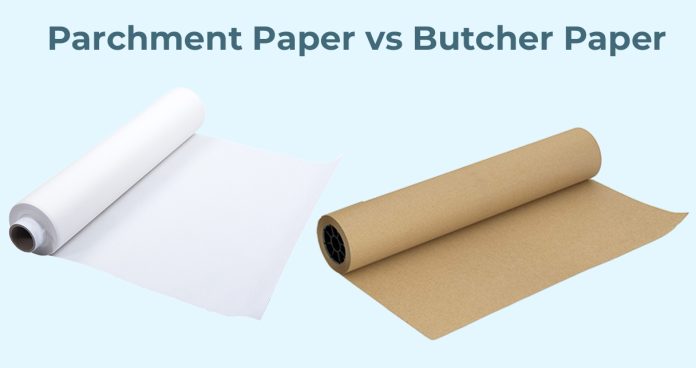
Both butcher paper and parchment paper are valuable tools in the kitchen, but each serves distinct purposes based on its unique properties. Here’s a detailed comparison to help you choose the right one for your needs:

Butcher Paper

Material and Characteristics:

  • Made from kraft paper, butcher paper is thick, durable, and often untreated.
  • Sometimes treated to be moisture-resistant, it maintains its strength even when wet.

Primary Uses:

  • Wrapping Meat: Commonly used in butcher shops to wrap fresh meat, allowing it to breathe while retaining moisture.
  • Smoking Meat: Ideal for wrapping meats like brisket during smoking, as it retains moisture while allowing smoke to penetrate.
  • Crafts and Table Covers: Versatile for non-food uses such as arts and crafts or as disposable table covers due to its durability.

Heat Resistance:

  • Suitable for use in smokers and for wrapping hot foods, but not recommended for high-temperature baking.

Breathability:

  • Allows air circulation, making it perfect for tasks where a bit of moisture retention and ventilation are needed.

Parchment Paper

Material and Characteristics:

  • Made from cellulose-based paper treated with silicone, giving it non-stick and heat-resistant properties.

Primary Uses:

  • Baking: Perfect for lining baking sheets and cake pans, preventing sticking and simplifying cleanup.
  • Cooking: Great for cooking methods like en papillote, where food is cooked in a paper pouch.
  • Wrapping Foods: Useful for wrapping foods for storage or separating layers of baked goods.

Heat Resistance:

  • Can withstand temperatures up to 420-450°F (215-230°C), making it ideal for baking and roasting.

Non-Stick Properties:

  • The silicone coating ensures a non-stick surface, which is excellent for baking cookies, roasting vegetables, and other tasks requiring a non-stick medium.

Impermeability:

  • Generally impermeable, preventing grease or moisture from passing through.

Conclusion

  • Butcher Paper is best for wrapping and smoking meats, and for versatile non-food applications like crafts.
  • Parchment Paper excels in high-heat baking, non-stick cooking applications, and wrapping foods to prevent sticking.

Choosing between butcher paper and parchment paper depends on the specific requirements of your cooking or food preparation tasks.

What is Frustration Free Packaging? A Comprehensive Guide

0

In today’s fast-paced world, consumers value convenience, sustainability, and efficiency in every aspect of their shopping experience. This demand has led to the rise of “Frustration Free Packaging” (FFP), an innovative approach to product packaging designed to enhance the customer experience while also benefiting the environment. In this blog post, we’ll delve into what frustration free packaging is, its benefits, and how it is transforming the retail landscape.

What is Frustration Free Packaging?

Frustration Free Packaging is a packaging initiative introduced by Amazon in 2008, aimed at creating easy-to-open, eco-friendly packaging. The concept revolves around eliminating excessive packaging materials, reducing waste, and ensuring that products are delivered to customers in a hassle-free manner. This type of packaging is designed to be opened without the need for tools like scissors or box cutters, making it straightforward and safe for consumers of all ages.

Key Features of Frustration Free Packaging

  1. Ease of Opening: Frustration Free Packaging is engineered to be simple to open. It avoids the use of hard plastic clamshells, plastic bindings, and wire ties, which are common in traditional packaging but notoriously difficult to handle.
  2. Eco-Friendly Materials: The packaging uses recyclable materials, minimizing the environmental impact. By reducing the amount of plastic and other non-recyclable materials, FFP contributes to more sustainable consumption.
  3. Reduced Waste: One of the primary goals of FFP is to minimize packaging waste. This is achieved by using only the necessary amount of material to protect the product during shipping and handling.
  4. Product Protection: Despite using fewer materials, FFP ensures that products are adequately protected. The design is rigorously tested to withstand the rigors of shipping, ensuring that items arrive in perfect condition.
  5. Customer Experience: FFP enhances the unboxing experience by reducing the time and effort required to access the product. This can be particularly beneficial during peak shopping seasons like the holidays, where consumers appreciate the added convenience.

Benefits of Frustration Free Packaging

  1. Improved Customer Satisfaction: By offering an easy-to-open package, companies can significantly enhance the customer experience. Positive unboxing experiences can lead to better reviews, repeat purchases, and increased brand loyalty.
  2. Environmental Impact: Frustration Free Packaging supports environmental sustainability by using recyclable materials and reducing waste. This aligns with the growing consumer demand for eco-friendly products and practices.
  3. Cost Efficiency: For businesses, FFP can result in cost savings through reduced material usage and potentially lower shipping costs due to lighter and more compact packages.
  4. Safety and Accessibility: The easy-open design of FFP reduces the risk of injury from sharp tools, making it safer for consumers, including children and the elderly.
  5. Brand Image: Adopting eco-friendly and customer-centric packaging can enhance a brand’s image, demonstrating a commitment to sustainability and consumer satisfaction.

The Evolution and Future of Frustration Free Packaging

Since its introduction, Frustration Free Packaging has evolved and expanded. Amazon has collaborated with numerous manufacturers to adopt FFP standards, promoting a wider industry shift towards more sustainable and customer-friendly packaging solutions.

Looking ahead, the future of FFP lies in continued innovation. Advances in materials science, packaging design, and logistics will further refine these packages. Additionally, as more companies recognize the value of FFP, it is likely to become a standard across various industries, from electronics to household goods.

How to Implement Frustration Free Packaging

For businesses looking to adopt Frustration Free Packaging, here are some steps to consider:

  1. Assessment: Evaluate your current packaging to identify areas for improvement. Consider the customer feedback on packaging and unboxing experiences.
  2. Design: Work with packaging designers to create solutions that meet FFP standards. Focus on ease of opening, material reduction, and product protection.
  3. Testing: Rigorously test the new packaging designs to ensure they can withstand shipping and handling while maintaining product integrity.
  4. Implementation: Gradually roll out the new packaging, starting with select products to monitor customer response and gather feedback.
  5. Continuous Improvement: Regularly review and refine your packaging based on customer feedback and advancements in packaging technology.

Conclusion

Frustration Free Packaging represents a significant advancement in the realm of product packaging. By prioritizing ease of use, sustainability, and customer satisfaction, FFP not only meets the evolving needs of consumers but also contributes to a more sustainable future. As more companies embrace this innovative approach, we can look forward to a world where unboxing is a joyous, frustration free experience for all.

By understanding and implementing Frustration Free Packaging, businesses can not only enhance their customer experience but also play a part in promoting environmental responsibility and operational efficiency.

Exploring the Future of Connected Packaging: Enhancing Consumer Experience and Supply Chain Efficiency

0

In today’s rapidly evolving digital landscape, the integration of technology into everyday objects is transforming the way we interact with products. One such innovation that’s gaining momentum is connected packaging, which merges traditional packaging materials with digital technologies to create a seamless and interactive experience for consumers.

Enhancing Consumer Experience

Connected packaging opens up a world of possibilities for enhancing the consumer experience. By leveraging digital technologies such as QR codes, RFID, NFC, and augmented reality, brands can provide consumers with access to additional information and content right at their fingertips. Imagine scanning a QR code on a food package and instantly accessing detailed nutritional information, recipe suggestions, or even cooking tutorials. This level of interactivity not only engages consumers but also empowers them to make more informed purchasing decisions.

Improving Supply Chain Efficiency

Beyond consumer engagement, connected packaging offers significant benefits for supply chain efficiency. With features like RFID-enabled tracking and tracing, brands can gain real-time visibility into their products’ journey from production to distribution. This not only streamlines inventory management and logistics but also enables faster response times to issues such as recalls or product shortages. Additionally, connected packaging helps combat counterfeiting and fraud by verifying product authenticity and ensuring that only genuine products reach consumers.

Examples of Connected Packaging Solutions

Examples of connected packaging solutions abound across various industries. In the food and beverage sector, QR codes are commonly used to provide product information, while pharmaceutical companies leverage RFID technology for track-and-trace capabilities. NFC-enabled product labels are popular in retail, allowing consumers to access exclusive content or promotions with a simple tap of their smartphone. Augmented reality experiences in consumer goods offer immersive and interactive brand experiences, further enhancing consumer engagement.

Challenges and Considerations

Despite its numerous benefits, connected packaging also presents challenges and considerations. Data privacy and security concerns are paramount, as brands must ensure that consumer information is protected and handled responsibly. Integration with existing packaging processes can be complex and costly, requiring careful planning and coordination. Moreover, achieving widespread adoption of connected packaging technologies may require industry-wide standards and regulations to address interoperability and compatibility issues.

Future Directions and Opportunities

Looking ahead, the future of connected packaging is bright and full of opportunities. Continued innovation in digital technologies promises to unlock new capabilities and functionalities, further enriching the consumer experience and driving greater efficiency in the supply chain. As brands continue to embrace digital transformation, we can expect to see expanded applications of connected packaging across industries and a shift towards more personalized, interactive, and sustainable packaging solutions.

In conclusion, connected packaging represents a transformative shift in how we interact with products and manage supply chains. By harnessing the power of digital technologies, brands can create meaningful experiences for consumers while optimizing operations and driving business growth. As we navigate the ever-changing landscape of the digital age, connected packaging will undoubtedly play a pivotal role in shaping the future of packaging and consumer engagement.

Crafting Cohesion: Establishing a Strong Brand Identity Through Packaging

0

In today’s competitive marketplace, establishing a strong brand identity is essential for standing out amidst the sea of products vying for consumer attention. One of the most powerful tools for conveying brand identity is packaging. By designing packaging that reflects the essence of your brand, you can create a cohesive and memorable brand experience that resonates with your target audience.

Introduction:

In the fast-paced world of consumer goods, a consistent brand identity is the cornerstone of success. From the moment a consumer lays eyes on a product, packaging plays a pivotal role in shaping their perception of the brand. Whether it’s the sleek minimalism of Apple or the vibrant playfulness of Coca-Cola, iconic brands are defined by their packaging as much as their products.

Understanding Your Brand:

Before diving into packaging design, it’s crucial to have a clear understanding of your brand identity. Define your brand values, personality, and target audience. Are you a luxury brand catering to discerning clientele, or a fun and quirky brand appealing to millennials? Understanding these nuances will guide your packaging design decisions.

Designing Packaging:

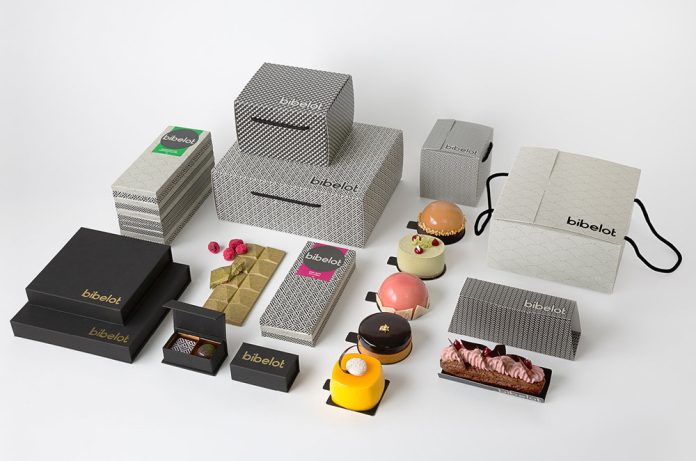
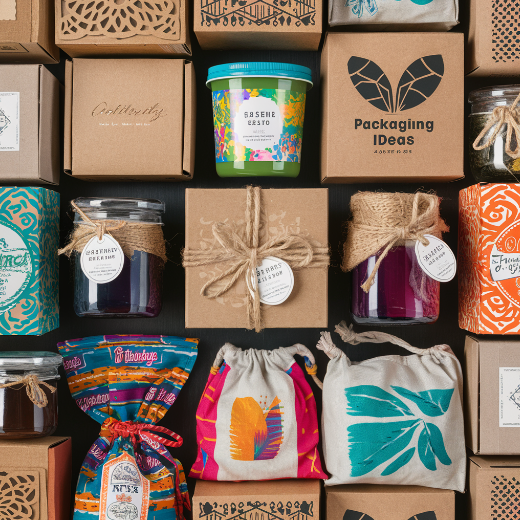
Once you’ve defined your brand identity, it’s time to translate it into packaging design. Consistency is key here. Your packaging should incorporate consistent visual elements such as logo placement, color palette, typography, and graphic style. For example, luxury brands often opt for minimalist designs with premium materials, while eco-friendly brands may use earthy tones and recycled materials.

Implementing Brand Guidelines:

To ensure consistency across all packaging materials, create a brand style guide outlining guidelines for logo usage, color codes, typography, and imagery. This guide will serve as a reference for designers and employees, ensuring that all packaging materials adhere to the brand’s identity.

Maintaining Consistency Across Products:

Consistency should extend beyond individual products to encompass entire product lines. Whether you’re selling a range of skincare products or a variety of snack foods, maintaining a cohesive look and feel across all packaging materials is essential for reinforcing brand identity.

Monitoring and Feedback:

Finally, listen to your customers. Gather feedback through surveys, focus groups, and customer reviews to understand how your packaging is perceived. Use this feedback to make iterative improvements to your packaging design and brand identity over time.

Examples of Packaging:

  1. Apple: Known for its minimalist packaging design with clean lines, sleek typography, and use of white space to convey a sense of sophistication and elegance.
  2. Tiffany & Co.: Instantly recognizable for its iconic blue packaging, Tiffany & Co. creates a sense of luxury and exclusivity through its use of a specific shade of blue known as “Tiffany Blue.”
  3. Lush: Emphasizing its commitment to natural ingredients and sustainability, Lush uses recycled materials and vibrant colors in its packaging to reflect its brand values.

In conclusion, packaging plays a vital role in establishing and reinforcing brand identity. By designing packaging that reflects your brand’s values, personality, and target audience, you can create a cohesive and memorable brand experience that resonates with consumers.

The Enchanting Role of Half Price Packaging in Crafting Shroom Chocolate Bar Packaging

0

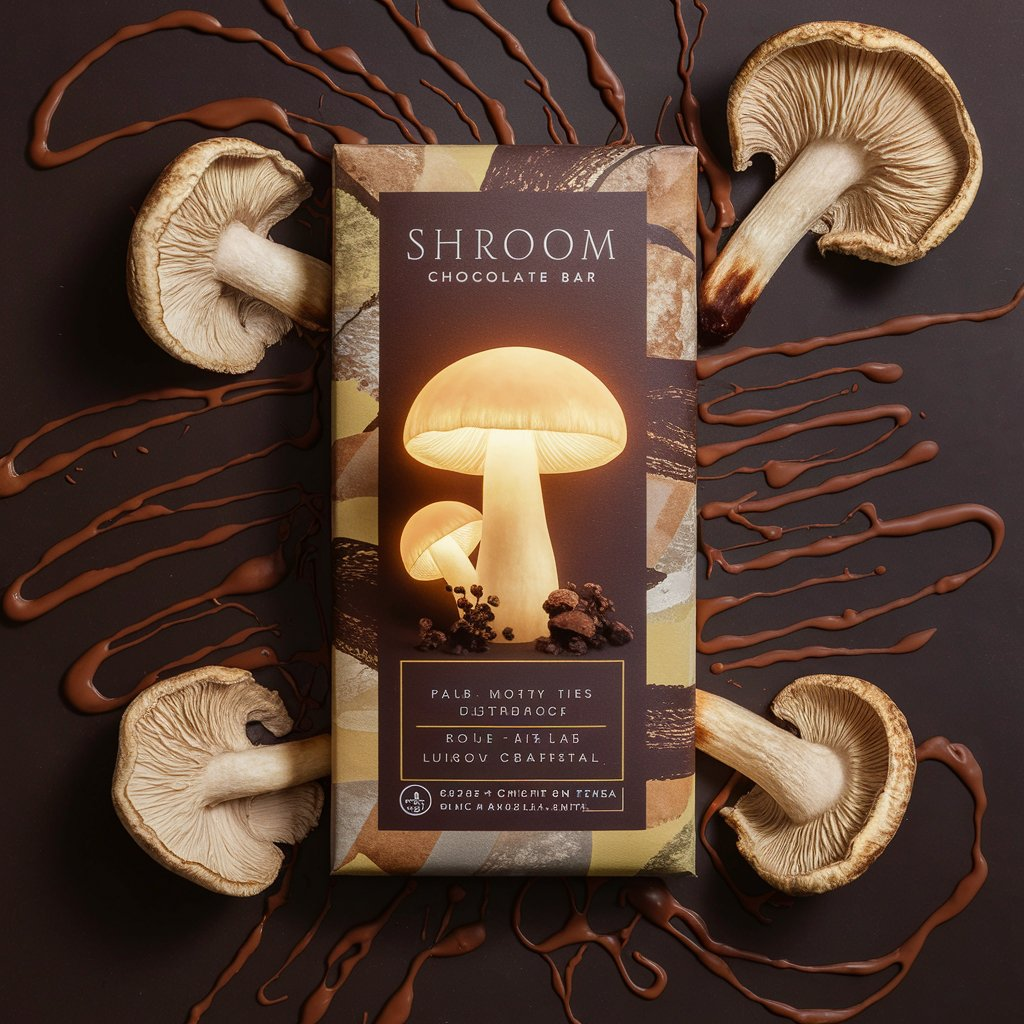
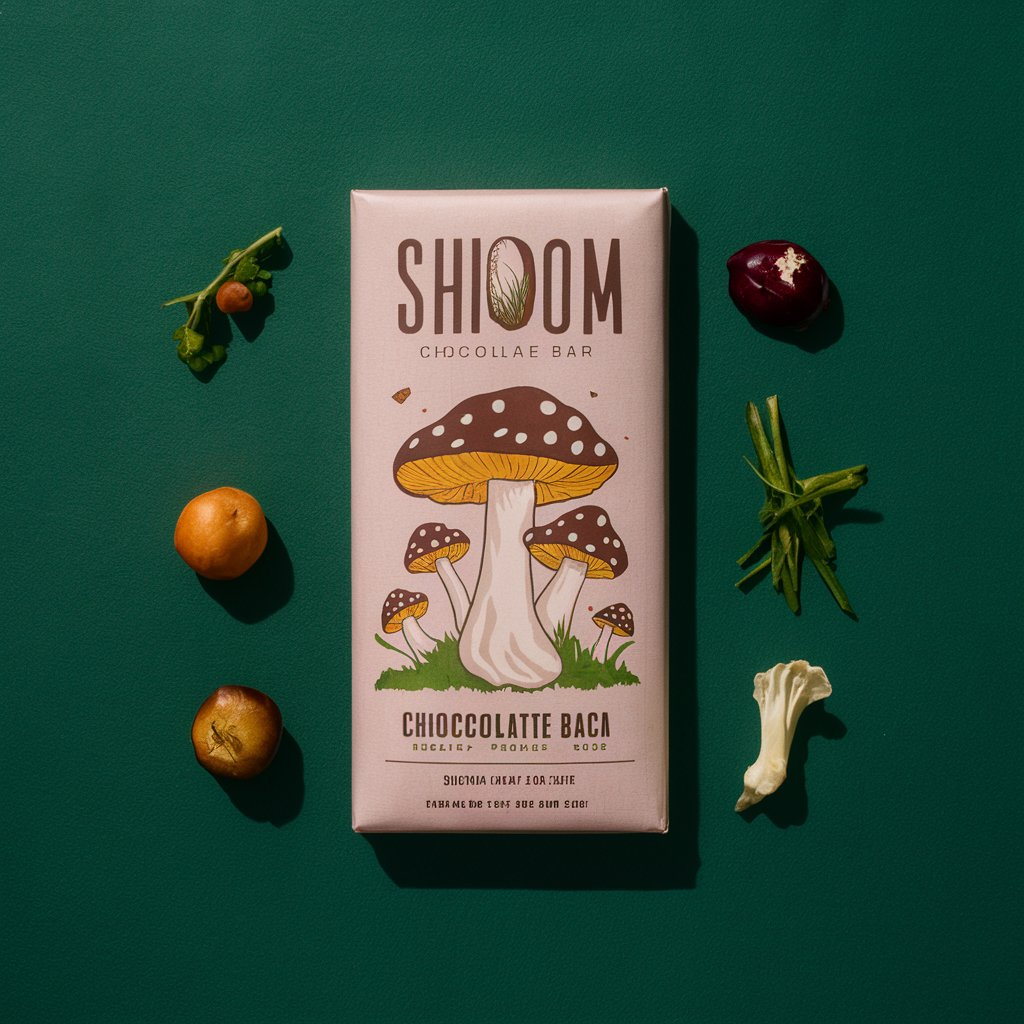
In the world of culinary delights, there’s a new sensation captivating taste buds and sparking imaginations: shroom chocolate bars. Combining the rich indulgence of premium chocolate with the mystical properties of shroom extracts, these delectable treats promise a journey of flavor and enlightenment. However, behind the magic lies a crucial component that plays a pivotal role in the success of these enchanting creations: packaging.

Packaging serves as the gateway to the shroom chocolate experience, enticing consumers with its visual appeal, conveying brand identity, and ensuring the product’s freshness and integrity. Half Price Packaging, a leader in the packaging industry, understands the importance of creating packaging solutions that not only captivate but also protect and enhance the product within.

Visual Elements:

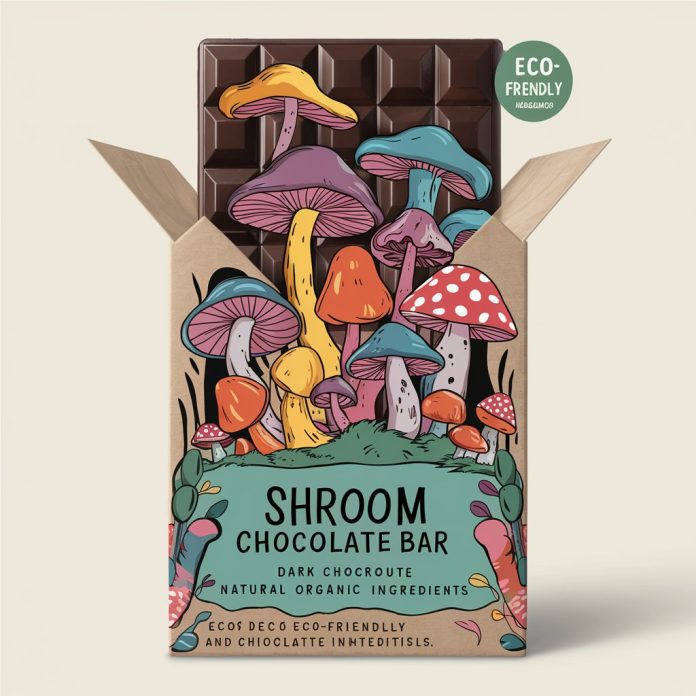
Half Price Packaging collaborates with shroom chocolate bar brands to design visually stunning packaging that reflects the magical experience awaiting inside. Earthy tones, psychedelic graphics, and whimsical designs transport consumers to a realm of wonder and delight, enticing them to embark on a flavor-filled journey.

Material and Texture:

Sustainability is at the core of Half Price Packaging’s ethos, and their commitment to eco-friendly practices is evident in the choice of materials used for shroom chocolate bar packaging. From recycled paperboard to biodegradable films, every element is carefully selected to minimize environmental impact while providing a luxurious tactile experience.

Size and Shape:

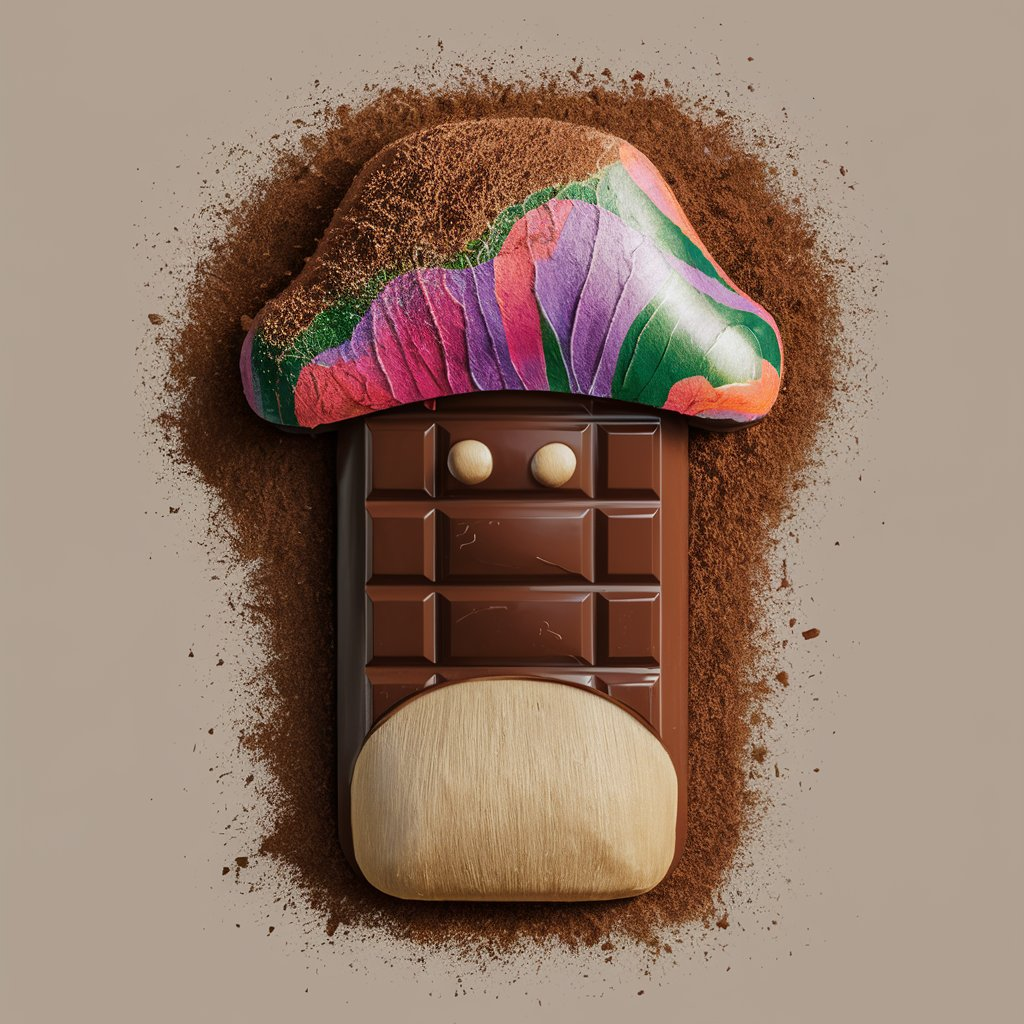
Half Price Packaging understands the importance of standing out on crowded shelves. By offering custom shapes and sizes, brands can ensure their shroom chocolate bars command attention and differentiate themselves from competitors. Whether it’s a compact square or a whimsical mushroom-shaped package, the possibilities are endless.

Informational Content:

Clear and informative packaging is essential for guiding consumers through their shroom chocolate experience. Half Price Packaging works closely with brands to incorporate product descriptions, usage instructions, and brand stories directly onto the packaging, ensuring consumers are well-informed and engaged from the moment they lay eyes on the product.

Functionality:

Protecting the integrity of the product is paramount, which is why Half Price Packaging focuses on creating packaging solutions that are as functional as they are beautiful. Secure seals, re-sealable closures, and durable materials ensure that shroom chocolate bars remain fresh and delicious, whether enjoyed at home or on the go.

Compliance and Regulation:

Half Price Packaging understands the importance of adhering to FDA labeling requirements and legal considerations when crafting packaging for shroom chocolate bars. By ensuring compliance with local regulations and providing clear disclaimers regarding product usage and effects, brands can instill confidence and trust in consumers.

In conclusion, Half Price Packaging plays a vital role in the creation of shroom chocolate bar packaging, elevating the consumer experience and ensuring that every bite is as magical as the last. With their expertise in design, sustainability, functionality, and compliance, Half Price Packaging helps shroom chocolate brands enchant and delight consumers worldwide.

Making Products Look Better with Custom Packaging

0
custom packaging

In the world of selling things, how you make your product look and how customers feel when they see it are super important. That’s where custom packaging comes in! It’s not just about putting things in a box—it’s about making the box special to show off your brand and make people excited about what’s inside. Let’s see how custom packaging can make products look great and make customers happy, along with some important things about it.

What Custom Packaging Does

Custom packaging is like a special outfit for your product. It’s not like the regular packaging you see everywhere. It’s made to fit your brand perfectly. You can choose colors, pictures, and materials that make your product stand out and look amazing.

Making Things Look Nice

One cool thing about custom packaging is that it can make your product look really nice. With all the choices you have, like bright colors and cool designs, your product will catch people’s eyes and make them want to see more.

Read More: UNLOCKING THE SECRETS OF PRODUCT PACKAGING EXCELLENCE

Opening the Box

Have you ever opened a package and felt really excited? That’s what custom packaging does! It makes opening the box feel like a special event. With fun designs and surprises inside, it’s like getting a present every time you open a package.

Showing Off Your Brand

When you see a package with your favorite brand’s logo on it, you know exactly what it is. That’s because custom packaging helps brands show off who they are. By using their colors, logos, and pictures on the packaging, brands make sure you remember them.

Making Customers Happy

Custom packaging isn’t just about making things look pretty—it’s also about making customers happy. When they see a cool package, it makes them feel good. It’s like the brand is saying, “We care about you, and we want you to have a great experience.”

Looking at Examples

Some famous brands use custom packaging to make their products stand out. Think about Apple and how cool their boxes look, or Glossier’s pretty packaging. These brands know that custom packaging is a great way to make their products look special and make customers happy.

In summary, custom packaging is a fantastic way to make products look great and make customers excited. By using cool designs, making opening the box fun, and showing off their brand, businesses can create a memorable experience for customers. So, the next time you open a package, take a moment to appreciate the custom packaging that makes it feel like a special gift just for you!

Unlocking the Secrets of Product Packaging Excellence

0

Ever marveled at the artful design of your favorite product’s packaging? In this guide, we’ll delve into the intricate world of product packaging, exploring its significance, design strategies, and the crucial role it plays in shaping consumer experiences.

Key Takeaways

  • First Impressions Matter: Uncover the impact of a well-designed package on consumer perception.
  • Beyond Aesthetics: Discover how packaging influences product protection, sustainability, and brand recognition.
  • Designing for the Consumer: Dive into the psychology of packaging design, understanding what resonates with different audiences.
  • Sustainable Packaging: Explore the rising importance of eco-friendly packaging solutions in the modern market.

The Power of Packaging Design

Aesthetic Appeal and Beyond

It’s not just about looking pretty on the shelf. Effective packaging design serves as a silent brand ambassador, communicating value and creating an instant connection with potential buyers.

Psychology Behind Packaging

Ever wondered why certain colors or shapes on a package catch your eye? We’ll decode the psychology behind packaging design, revealing how subtle cues influence consumer behavior.

The Functionality of Packaging

Beyond Looks: Functional Features

Packaging is not just a pretty face. Explore how it serves as a shield, protecting products from damage, contamination, and ensuring they reach consumers in pristine condition.

Sustainable Solutions

As the world embraces sustainability, we’ll delve into eco-friendly packaging options. Discover how brands are aligning with environmental values to meet the demands of conscious consumers.

FAQs

Q: How does packaging influence brand perception?

A: Packaging is the first touchpoint with consumers, shaping brand perception. A well-designed package communicates quality and sets expectations.

Q: Are sustainable packaging options cost-effective for businesses?

A: Initially, there may be an adjustment, but in the long run, sustainable packaging can save costs and enhance brand reputation.

Q: Can packaging design affect product shelf life?

A: Absolutely. Proper packaging prevents spoilage, contamination, and extends the shelf life of products.

Conclusion

Packaging is more than just a wrapper; it’s a strategic tool that influences consumer choices and contributes to a brand’s success. From aesthetics to functionality and sustainability, understanding the nuances of product packaging is key in a competitive market.

Unveiling the Marvels of Corrugated Boxes

0
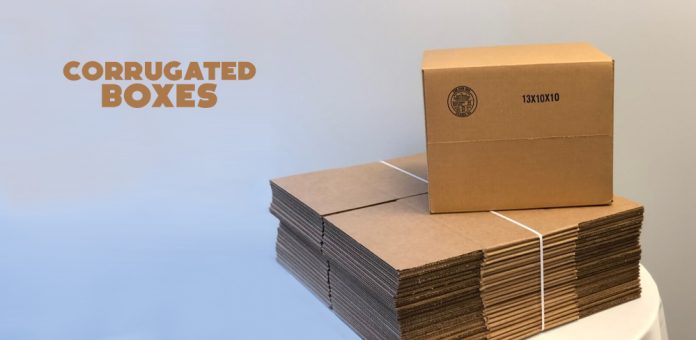
Corrugated Boxes

Welcome to the fascinating world of corrugated boxes, the unsung heroes of packaging! Imagine a world without these sturdy, versatile containers—your pizza arriving as a mushy mess or your latest online order crushed beyond recognition. In this guide, we’ll unravel the secrets of corrugated boxes, exploring their construction, uses, and why they’re an indispensable part of our daily lives.

Key Takeaways

  • Versatility at Its Core: Corrugated boxes aren’t just cardboard; they’re the chameleons of packaging, adapting to various shapes and sizes effortlessly.
  • Strength in Simplicity: Don’t underestimate the power of those wavy layers. The corrugation process is the backbone, providing unmatched strength and durability.
  • Eco-Friendly Champions: Embrace the guilt-free joy of using corrugated boxes—they’re recyclable, biodegradable, and a sustainable packaging solution.
  • Beyond Shipping: Corrugated boxes are not just for moving things around. They’re the unsung heroes of creativity, becoming canvases for DIY projects and innovative storage solutions.

Decoding the Corrugated Magic

What Makes a Corrugated Box?

Ever wondered why corrugated boxes are so robust? It’s all about the layers! These boxes consist of three layers: an inside liner, an outside liner, and a corrugated medium sandwiched in between. This corrugated layer is essentially a wavy, fluted piece that gives the box its strength.

The Strength in Those Waves

Picture those waves as the muscles of the box. The corrugation not only adds strength but also makes the box more resistant to impact, providing a protective shield to whatever lies within.

The Green Side of Corrugated

Eco-Friendly Packaging

Say goodbye to environmental guilt! Corrugated boxes are the eco-warriors of packaging. Made from recycled materials and themselves recyclable, they are a sustainable choice in a world that craves more environmentally friendly options.

Corrugated Boxes Beyond the Mailroom

More Than Just Packaging

Corrugated boxes are not limited to the realms of shipping and storage. Get ready to unleash your creative side as these boxes become your DIY allies, transforming into organizers, playhouses, and artistic canvases.

Frequently Asked Questions (FAQs)

Q: Can I recycle corrugated boxes at home?

A: Absolutely! Most local recycling programs accept corrugated boxes. Just make sure they’re free of contaminants like food or grease.

Q: Are corrugated boxes suitable for heavy items?

A: Indeed! The corrugated structure provides excellent strength, making these boxes ideal for transporting heavier items without compromising integrity.

Q: Can I use corrugated boxes for international shipping?

A: Certainly! Corrugated boxes are the go-to choice for international shipping, ensuring your goods arrive at their destination safe and sound.

Conclusion

Corrugated boxes are not just containers; they’re the unsung heroes of packaging, silently ensuring the safety of our shipments and encouraging our creative endeavors. From their versatile construction to their eco-friendly nature, these boxes have truly earned their place in our daily lives.